
College Football 27 Guide: Gameplay Changes - How to Adapt to Smarter Defenses and New Competitive Mechanics
Summary
College Football 27 introduces several gameplay systems designed to reduce the effectiveness of commonly used online tactics. Players who relied on repeated rollout plays, quick snaps, or predictable offensive concepts will need to adjust to a game that emphasizes defensive intelligence, coaching adjustments, and user skill.
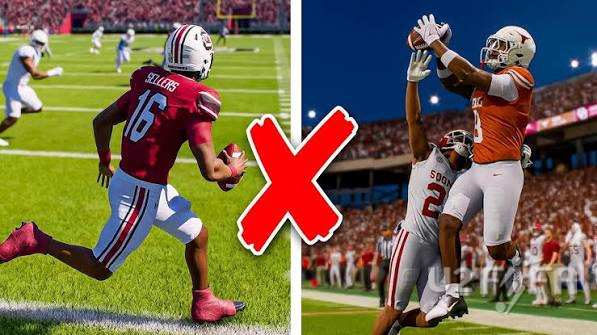
Understanding the Shift in College Football 27
The biggest theme in College Football 27 is increased defensive responsiveness. New coverage logic, customizable adjustment packages, and enhanced player behavior aim to reward strategic decision-making rather than repetitive exploits.
Success now depends less on forcing broken plays and more on reading coverages, making correct adjustments, and executing fundamentals throughout a game.
Step 1: Stop Relying on Rollout Passing
One of the most significant changes affects rollout-based offense.
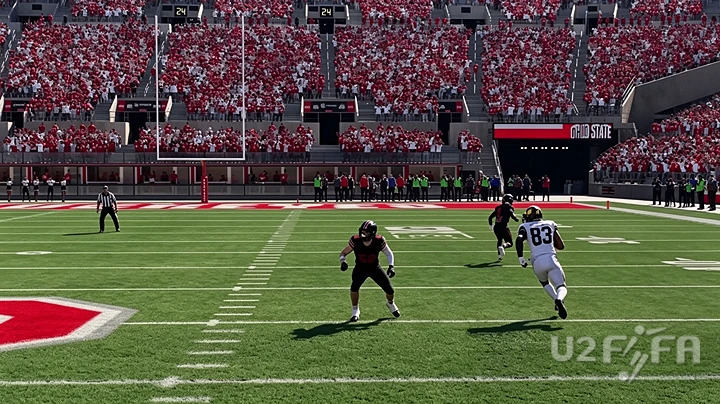
In previous titles, quarterbacks could frequently escape the pocket, extend plays for several seconds, and wait for receivers to become open after coverage broke down. This often allowed offenses to generate explosive gains without making difficult reads.
College Football 27 introduces improved coverage reactions through features such as plaster logic, smarter match coverage, and expanded coaching adjustments. Defensive backs are more likely to abandon empty zones and attach themselves to receivers once a play breaks down.
To remain effective offensively, focus on making reads within the structure of the play. Use rollouts as a situational tool rather than the foundation of every passing attempt.
Step 2: Learn the New Custom Adjustment System
The addition of custom adjustments is one of the most important strategic features in the game.
Players can now save defensive and offensive adjustment packages that can be activated quickly during gameplay. Instead of manually changing multiple settings before every snap, entire defensive responses can be applied almost instantly.
This feature reduces the effectiveness of opponents who previously relied on rushing to the line of scrimmage before adjustments could be completed.
Build adjustment packages for common formations such as Bunch, Trips, and Spread offenses. Having preloaded defensive responses allows you to react immediately and maintain control of the game.
Step 3: Use Defensive Adjustments to Counter Repetitive Offenses
Repeatedly calling the same offensive plays appears to be less effective in College Football 27.
The game introduces additional coverage checks and defensive tools specifically designed to recognize and defend modern route combinations. Players who depend on one or two highly effective plays may find those concepts easier to stop once opponents understand how to use the new adjustment system.
Spend time learning coaching adjustments and defensive alignment options. Understanding how different coverage checks operate will help neutralize common offensive tendencies.
Rather than searching for a single unstoppable play, develop a varied offensive game plan that attacks multiple areas of the field.
Step 4: Be More Selective with Press Coverage
Press coverage remains a useful defensive tool, but it now requires greater awareness.
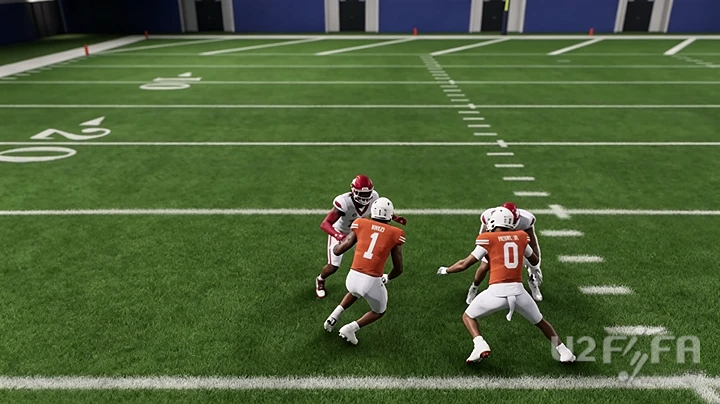
Previous games often rewarded players for pressing receivers on nearly every snap, especially when combined with aggressive blitz packages. In College Football 27, receiver releases and defensive leverage play a much larger role in determining success.
Receivers now attempt to win leverage based on their assigned routes. Slants seek inside positioning, while outside-breaking routes attempt to gain outside leverage. Defensive backs must be aligned correctly to challenge those intentions.
When using press coverage, evaluate route tendencies, down-and-distance situations, and offensive formations. Pressing without a plan can create opportunities for explosive plays downfield.
Step 5: Master Timing-Based Catching
The introduction of timing-based catching significantly changes contested catch situations.
In previous games, many 50/50 throws were heavily influenced by ratings and animations. While those factors still matter, players now have more control over outcomes through timing and positioning.
Both offensive and defensive users can influence contested catches by executing actions at the correct moment. Success depends on reading the play, gaining favorable positioning, and timing inputs accurately.
Practice these mechanics early. Players who master timing-based catching will gain a considerable advantage in both offensive and defensive situations.
Building a Competitive Strategy
Because defensive tools are more powerful than in previous editions, preparation becomes increasingly important.
Create multiple adjustment packages for different offensive styles. Study common route combinations and understand how coverage checks interact with them. Learn when to use aggressive coverage settings and when to remain conservative.
For Dynasty and Ultimate Team players managing resources throughout a season, efficient roster development remains essential. Many players carefully manage in-game assets, player upgrades, and College Football 26 Coins while building competitive teams capable of executing advanced schemes throughout a long campaign.
A balanced approach that combines strong roster management with a deep understanding of gameplay systems will produce better long-term results than relying on a handful of popular tactics.
Final Thoughts
College Football 27 appears designed to reward football knowledge and strategic adaptation. Rollout-heavy offenses, rapid quick-snap tactics, repetitive play calling, and automatic press coverage are all less reliable than before.
Players who invest time learning custom adjustments, mastering defensive tools, and improving user-controlled mechanics should be better prepared for the game's competitive environment. As the community explores the new systems, adaptability and sound decision-making will become increasingly important factors in achieving consistent success.